Operational Context Engineering
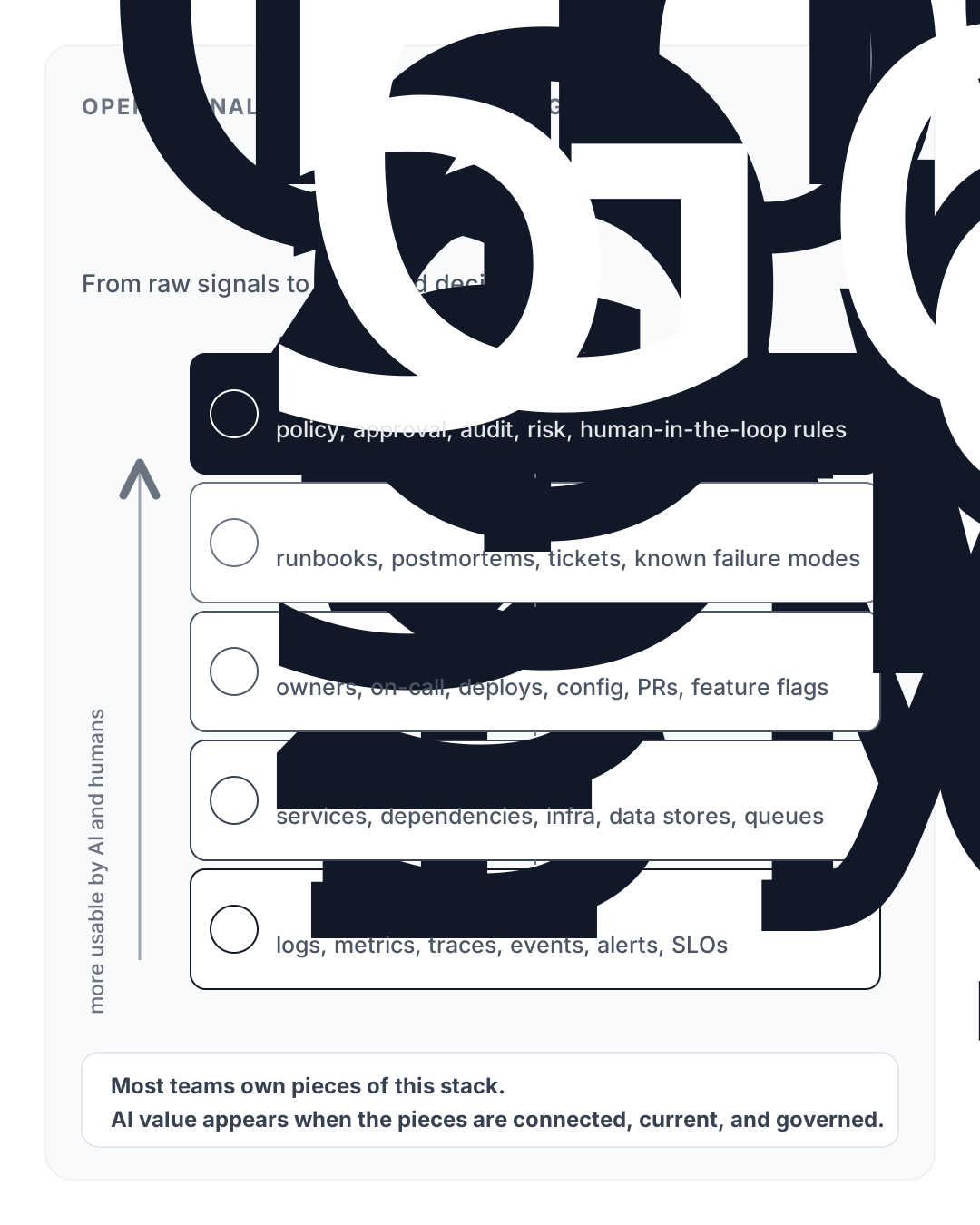
Telemetry, topology, ownership, change history, runbooks, incident memory, and governance connected tightly enough for humans and AI systems to reason during incidents.
Production AI infrastructure
runrc is Robert Dobrzycki's working library on AI infrastructure, AI Ops, operational context engineering, and the proof needed to make AI systems trustworthy in enterprise environments.
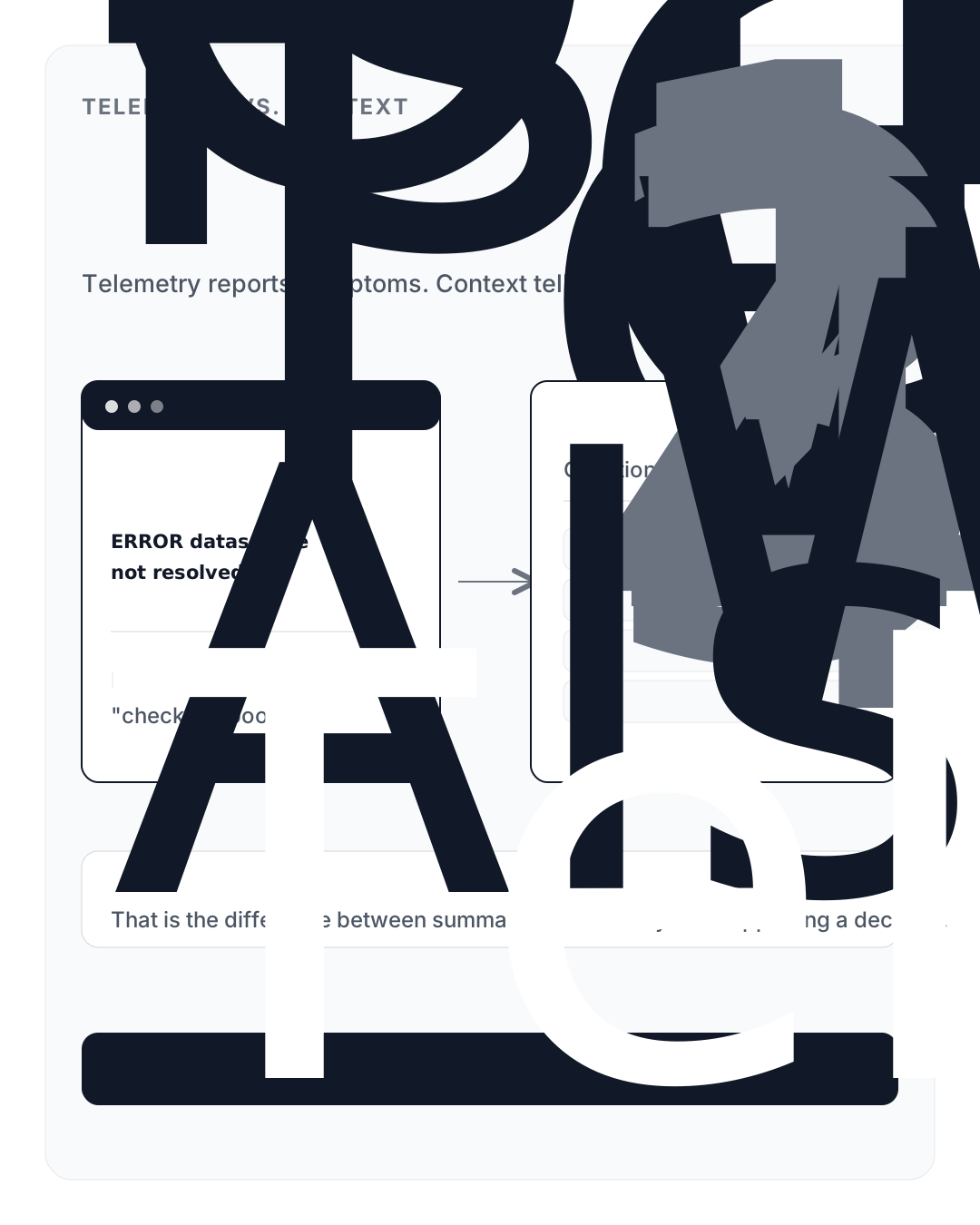
Start here: Operational Context Engineering: The Missing Layer Between Observability and AI Ops. Telemetry explains symptoms; AI-assisted RCA needs current context, ownership, memory, and governance.
Most AI systems do not fail enterprise review because the prototype is weak. They fail because the evidence, context, controls, and operational proof are missing.
Telemetry, topology, ownership, change history, runbooks, incident memory, and governance connected tightly enough for humans and AI systems to reason during incidents.
IAM boundaries, data flow, retention, logging, citations, evals, refusal behavior, and audit trails that help AI systems survive security review and buyer scrutiny.
RAG, Bedrock, agents, deterministic validation, bounded autonomy, and the engineering habits that move AI from impressive output to supportable production behavior.
A first cornerstone essay on why AI Ops needs more than logs, metrics, and traces before it can help with root cause analysis.
AI Ops needs more than copilots. It needs a context layer across telemetry, topology, ownership, change history, runbooks, incident memory, and governance before AI-assisted RCA can be trusted.
Current thesis
Teams can build AI demos, RAG prototypes, and agent workflows. Fewer can produce the evidence required for enterprise security review, procurement, production approval, customer trust, and ongoing assurance.
The useful work is concrete: make behavior traceable, keep context fresh, prove control boundaries, and validate before automation gets more authority.
Robert Dobrzycki is a senior platform and infrastructure engineer based in North Carolina's Research Triangle, working across AWS, Terraform, Python, Bedrock/RAG systems, WebLogic and Oracle operations, CI/CD, observability, and production reliability.
Certifications include AWS Certified Solutions Architect - Professional, AWS Certified Developer - Associate, HashiCorp Certified: Terraform Associate, and Professional Scrum Master I.
The through-line is operational discipline: deterministic validation before model judgment, evidence before claims, and autonomy that graduates from observe to recommend to execute.
Contact
Good fit: AI infrastructure, RAG/Bedrock production readiness, operational context, evidence packs, platform reliability, and focused consulting conversations.
You can also email [email protected] directly.